

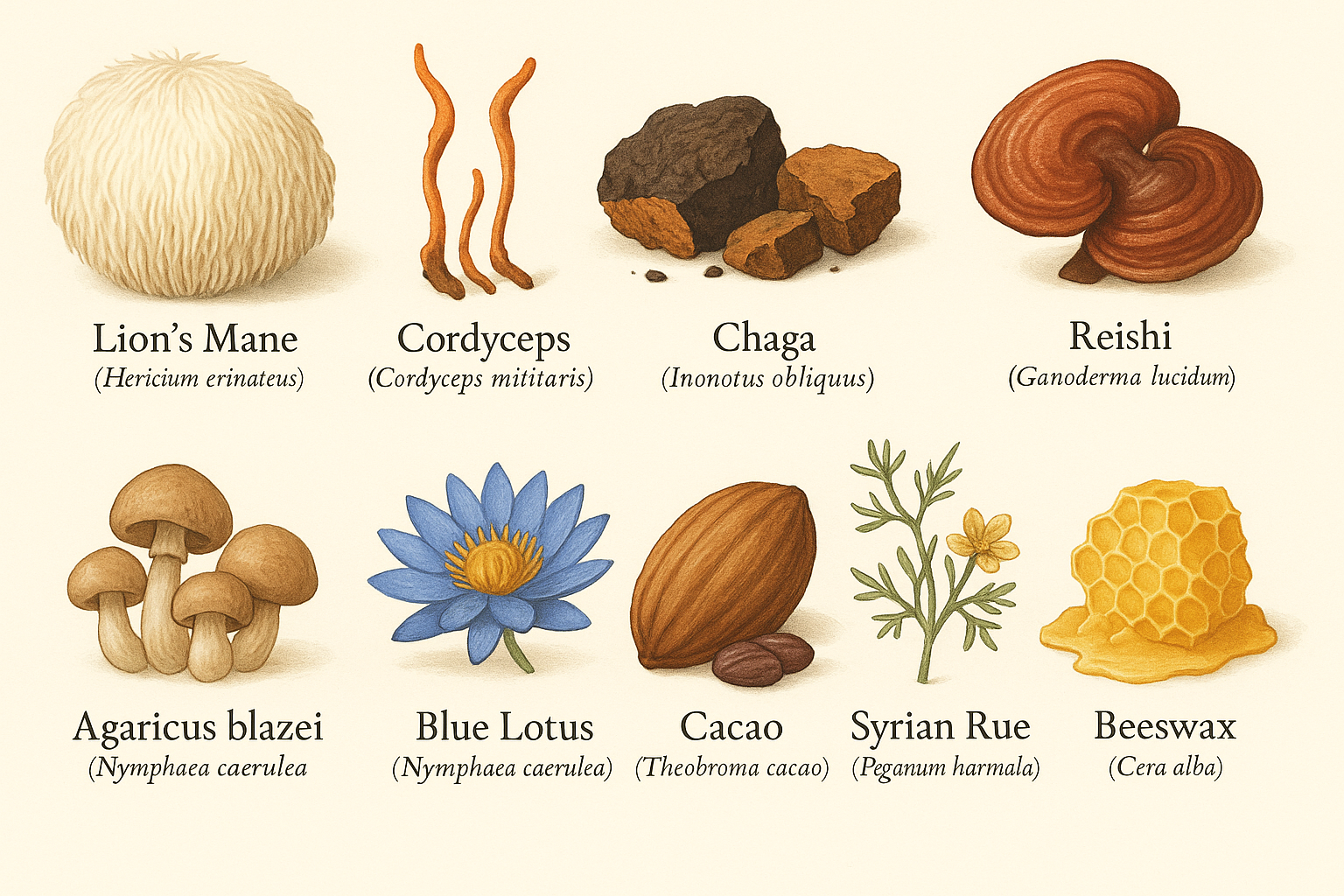
Lion’s Mane (Hericium erinaceus)
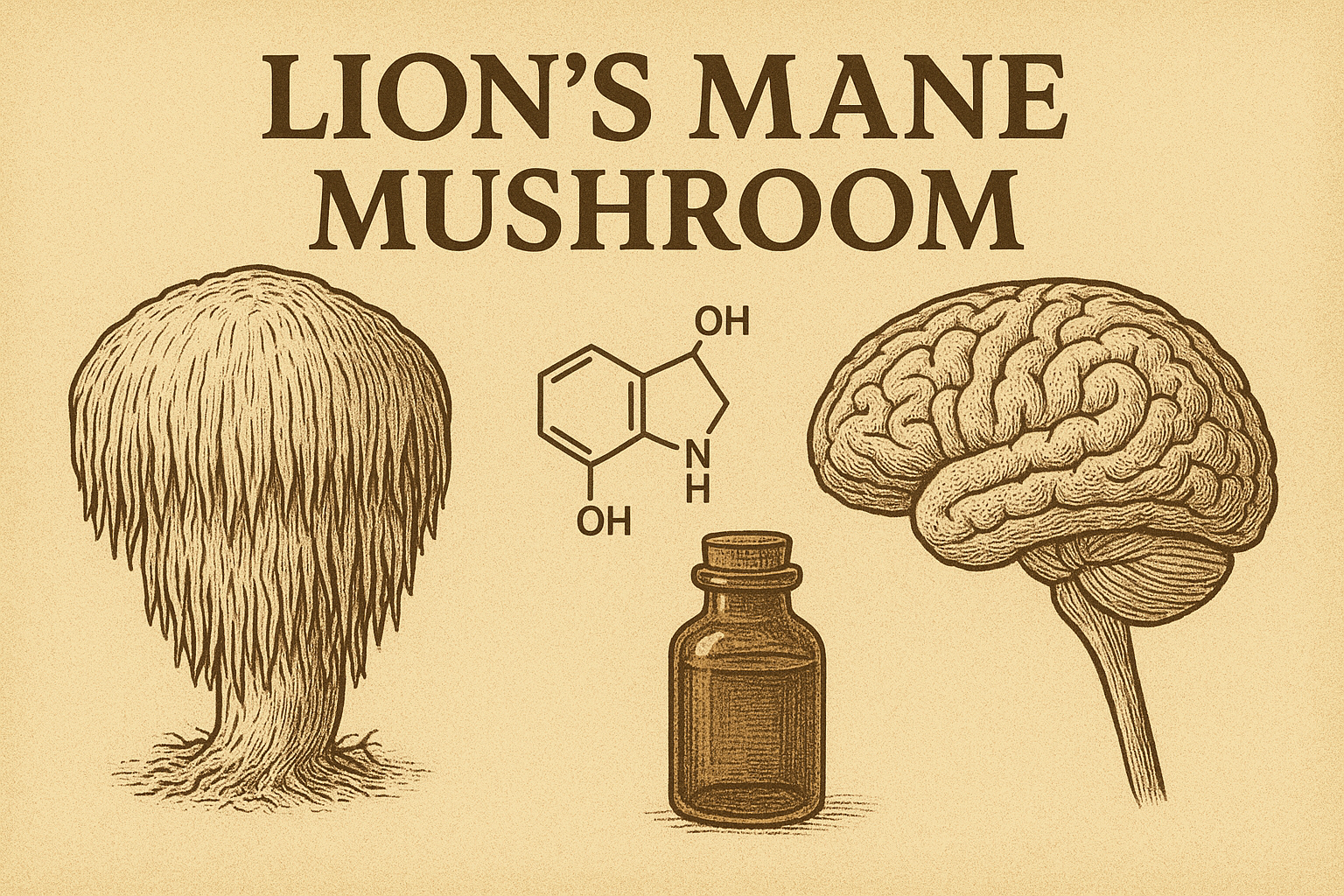
A double-blind, placebo-controlled study found that daily intake of 3g of Lion’s Mane over 16 weeks led to significant improvements in cognitive function in adults with mild cognitive impairment. The effects diminished after discontinuation, indicating the need for sustained use.
A detailed study on the pharmacological properties of Syrian Rue (Peganum harmala) can be found here
Cordyceps (Cordyceps militaris)
Recent randomized clinical trials demonstrate that Cordyceps militaris significantly boosts aerobic performance, supports immune response, and reduces heart rate during physical exertion. Its bioactive compounds show anti-inflammatory and adaptogenic benefits.
A randomized controlled clinical trial on the immunomodulatory effects of a Cordyceps militaris beverage in healthy adults is available here
Chaga (Inonotus obliquus)
Chaga extract demonstrated powerful antioxidant effects in human lymphocyte trials by protecting DNA from oxidative damage. Additional in vitro research highlights potential anti-cancer properties.
A PubMed-indexed study on the pharmacological properties of Peganum harmala is available here.
Reishi (Ganoderma lucidum)
In a 6-week pilot study, micro-milled Reishi mushroom (6g/day) improved life satisfaction and reduced depression symptoms in women with fibromyalgia. Additional research suggests it may support urinary health and blood sugar balance.
Read More About Reishi Mushroom Benefits (Very well Health)
Agaricus blazei Murill
A phase I clinical trial confirmed the safety of long-term ingestion of Agaricus blazei in cancer patients in remission. Quality-of-life measures improved, and further studies show immunomodulatory support during chemotherapy.
According to a peer-reviewed article in Pharmacognosy Reviews, Peganum harmala shows diverse therapeutic properties (read full study here).
Blue Lotus (Nymphaea caerulea)
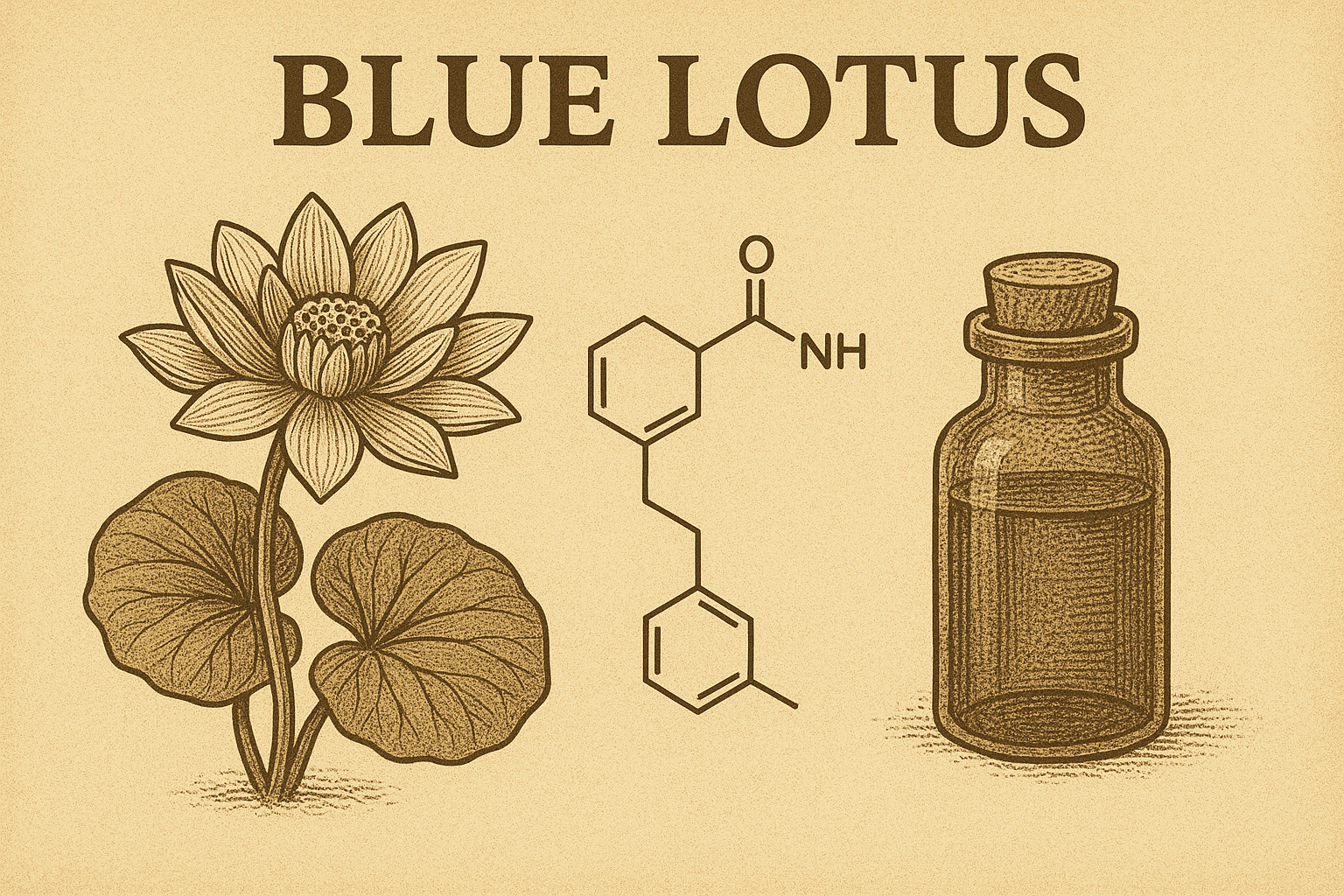
While traditional use is widespread, modern studies mainly focus on chemistry. One case series reported adverse events such as seizures after vaping extracts. Active compounds include nuciferine and apomorphine.
A peer-reviewed study published in Military Medicine explored the effects of Peganum harmala on human health (read full article here)
Cacao (Theobroma cacao)
The COSMOS randomized controlled trial demonstrated that cocoa flavanols improved cardiovascular function, reduced blood pressure, and led to a 27% decrease in cardiovascular-related mortality.
A landmark clinical trial, the COcoa Supplement and Multivitamin Outcomes Study (COSMOS), evaluated the long-term effects of cocoa extract and multivitamins on cardiovascular and cancer outcomes. You can explore the study details directly on the COSMOS website
Syrian Rue (Peganum harmala)
Extensive pharmacological studies confirm Syrian Rue’s MAO-inhibiting properties through harmala alkaloids. It plays a key role in traditional psychoactive brews. However, no modern human clinical trials exist.
A peer-reviewed study in Pharmacognosy Reviews dives into the pharmacological and therapeutic effects of Peganum harmala — available via PubMed Central
Beeswax (Cera alba)
Beeswax is widely used in topical salves and balms for its emollient and anti-inflammatory properties. However, there are no current human clinical trials evaluating its pharmacological efficacy.
No formal study link available – traditional use only.